
Короткий підсумок: Choosing the right e-commerce software depends on your store size, goals, and technical skill. Shopify offers quick setup and strong multichannel support, while WooCommerce provides more control for WordPress users. SaasGuru helps sellers compare deals and avoid overspending, making it easier to find the best tools for growth.
Picking from online store tools gets tricky fast. The real challenge is not finding options. It is choosing one that fits how you sell without extra hassle. Many online store tools look alike, but the wrong pick can hurt checkout, products, apps, or growth. This guide compares eight online store tools by features, ease of launch, scale, ecosystem, and seller fit, so you can choose based on store size, goals, and skill level.
Quick Comparison
| Platform | Best for | Setup complexity | Scalability | Standout strength |
|---|---|---|---|---|
| SaasGuru | Comparing and discovering software deals before buying | Very low | Depends on the tool you choose | Deal discovery and buyer education |
| Shopify | Fast store launches and omnichannel selling | Low | High | App ecosystem and checkout |
| WooCommerce | WordPress users who want flexibility and control | Medium | High with the right hosting and extensions | Customization and ownership |
| BigCommerce | Growing brands that need advanced native features | Medium | High | Native commerce depth |
What to know about e-commerce software
E-commerce software runs your online store. It handles product pages, checkout, payments, shipping, stock, and basic marketing in one place. Picking the right setup matters because it affects how fast you launch, how easy you manage orders, and how well customers buy.
The best choice depends on your business model. A simple shop needs ease and low cost. A content-led brand may need stronger site control. A growing seller often needs better multi-channel tools, reports, and automation.
Choose for your next 12 months, not just your first 30 days.
1. SaasGuru
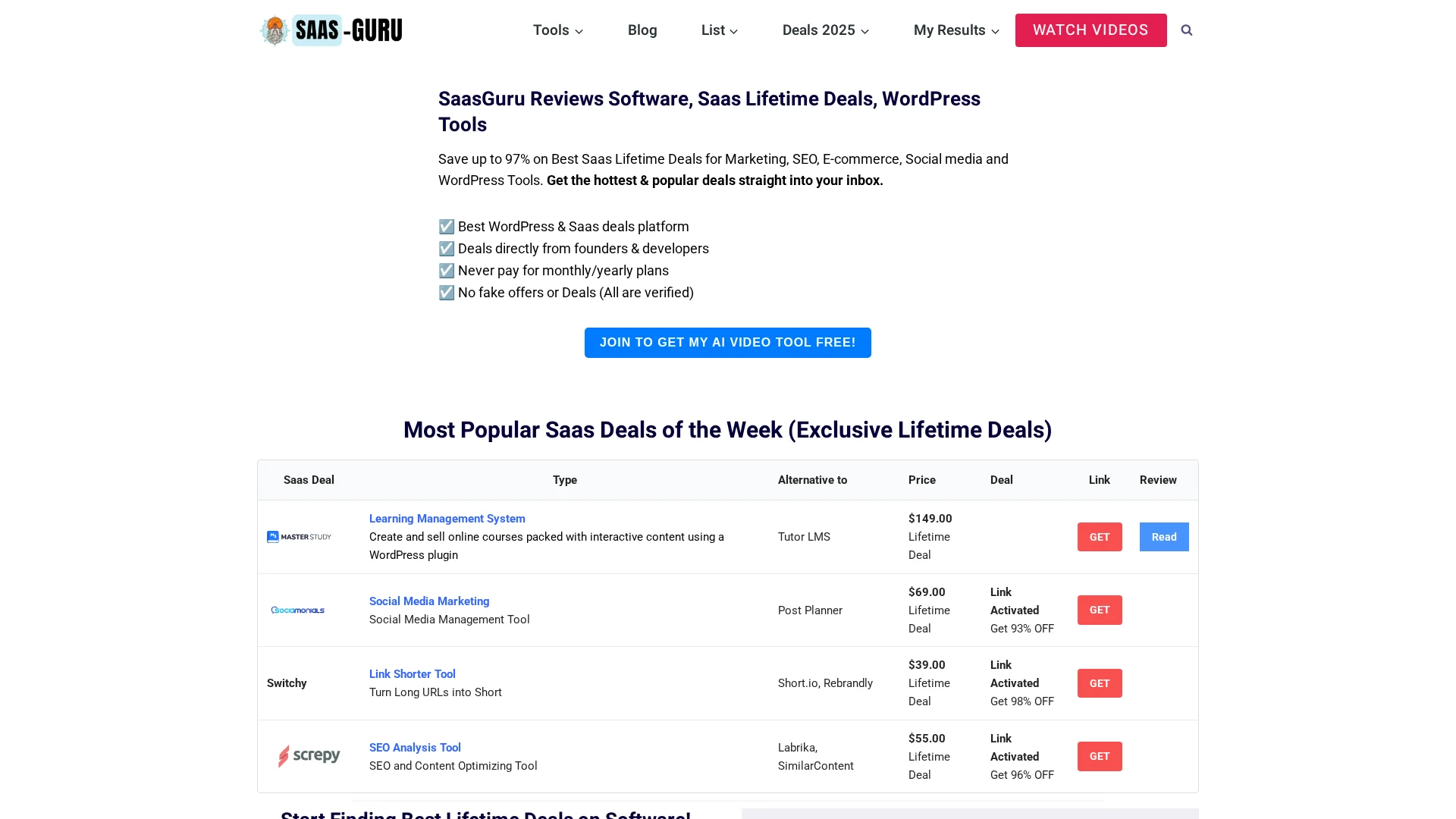
SaasGuru helps online sellers compare software, spot discounts, and avoid paying full price too soon. It is a smart research stop before you pick store tools, since Forbes’ 2026 platform roundup shows how many options sellers must sort through.
Highlights
- Curates SaaS deals and software comparisons
- Helps buyers review tools before purchase
Last updated: August 4, 2026
Також читайте: Small Business SaaS vs Business Software: Which Saves More?
2. Shopify
Shopify is one of the easiest ways to launch a polished online store fast. It fits sellers who want strong checkout, built-in multichannel selling, and room to grow without stitching tools together by hand.

Highlights
- Fast launch with themes and AI-assisted tools
- Huge app ecosystem with over 16,000 apps in the Shopify App Store
- Omnichannel selling with POS that syncs online and in-store sales, orders, and inventory
Specs
- Best for: Fast store launches and omnichannel selling
- Setup complexity: Low
- Scalability: High
- Standout strength: App ecosystem and checkout
Pros
- Very beginner-friendly
- Strong multichannel and POS support
Cons
- Costs can rise with apps and added features
- Deep customization may need paid tools or developer help
It ranks here because Shopify stays the benchmark for easy setup and smooth scaling.
Last updated: August 4, 2026
Також читайте: https://saasguru.info/appsumo-sumo-day
3. WooCommerce
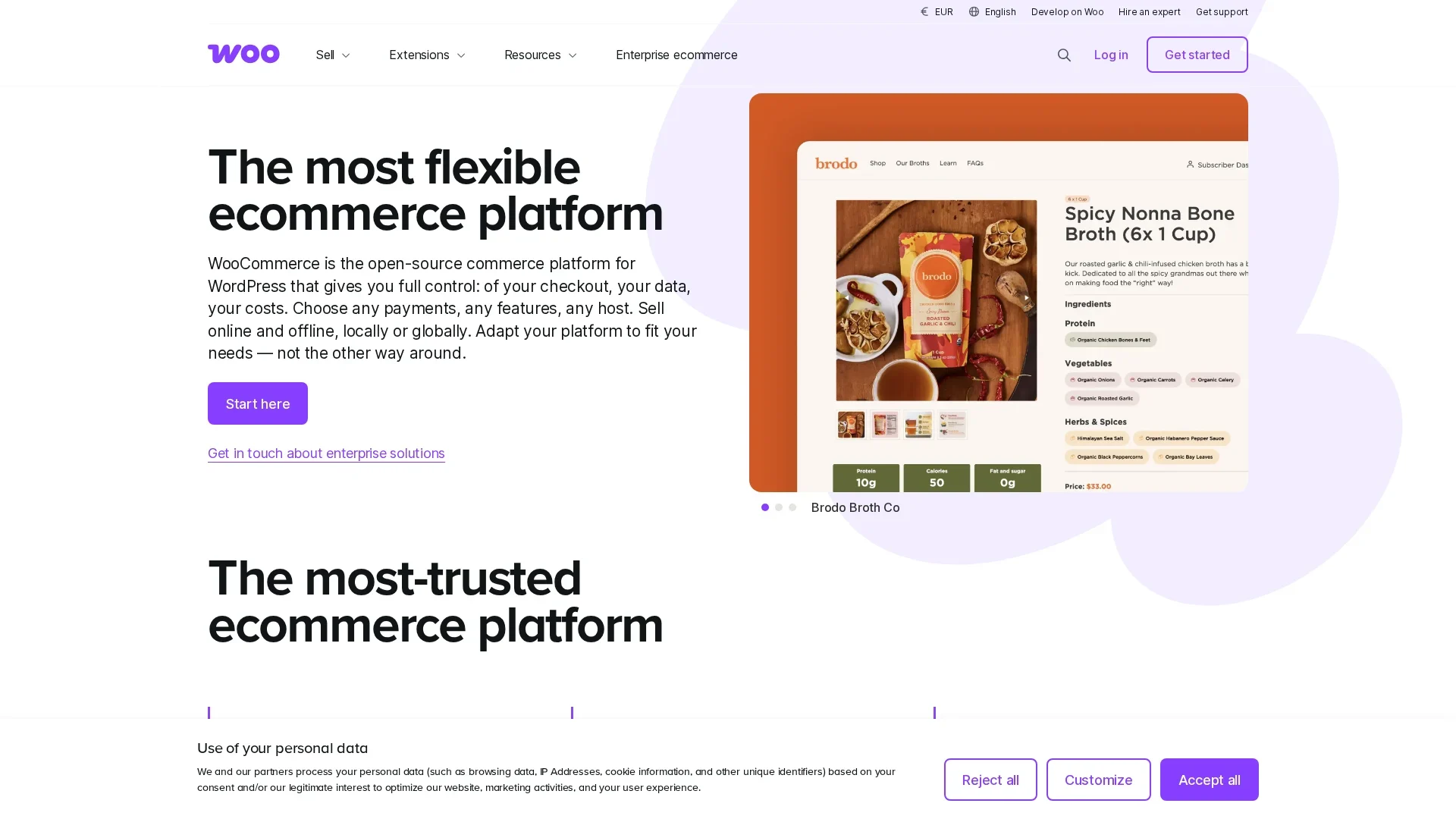
WooCommerce is a flexible open-source ecommerce option for WordPress sites. It fits sellers who want control over design, data, features, and hosting. With 7M+ active installs on WordPress.com and a strong open-source plugin base on WordPress.org, it stays a smart pick for content-led stores.
Highlights
- Open-source flexibility on WordPress
- Large extension ecosystem
- Strong for content-rich custom stores
Specs
- Best for: WordPress users who want flexibility and control
- Setup complexity: Medium
- Scalability: High with the right hosting and extensions
Pros
- Full control over store architecture
- Excellent for content and commerce together
Cons
- Needs more setup and upkeep than hosted tools
It ranks high because ownership and customization still matter.
Last updated: August 4, 2026
Також читайте: https://saasguru.info/appsumo-deals
4. BigCommerce
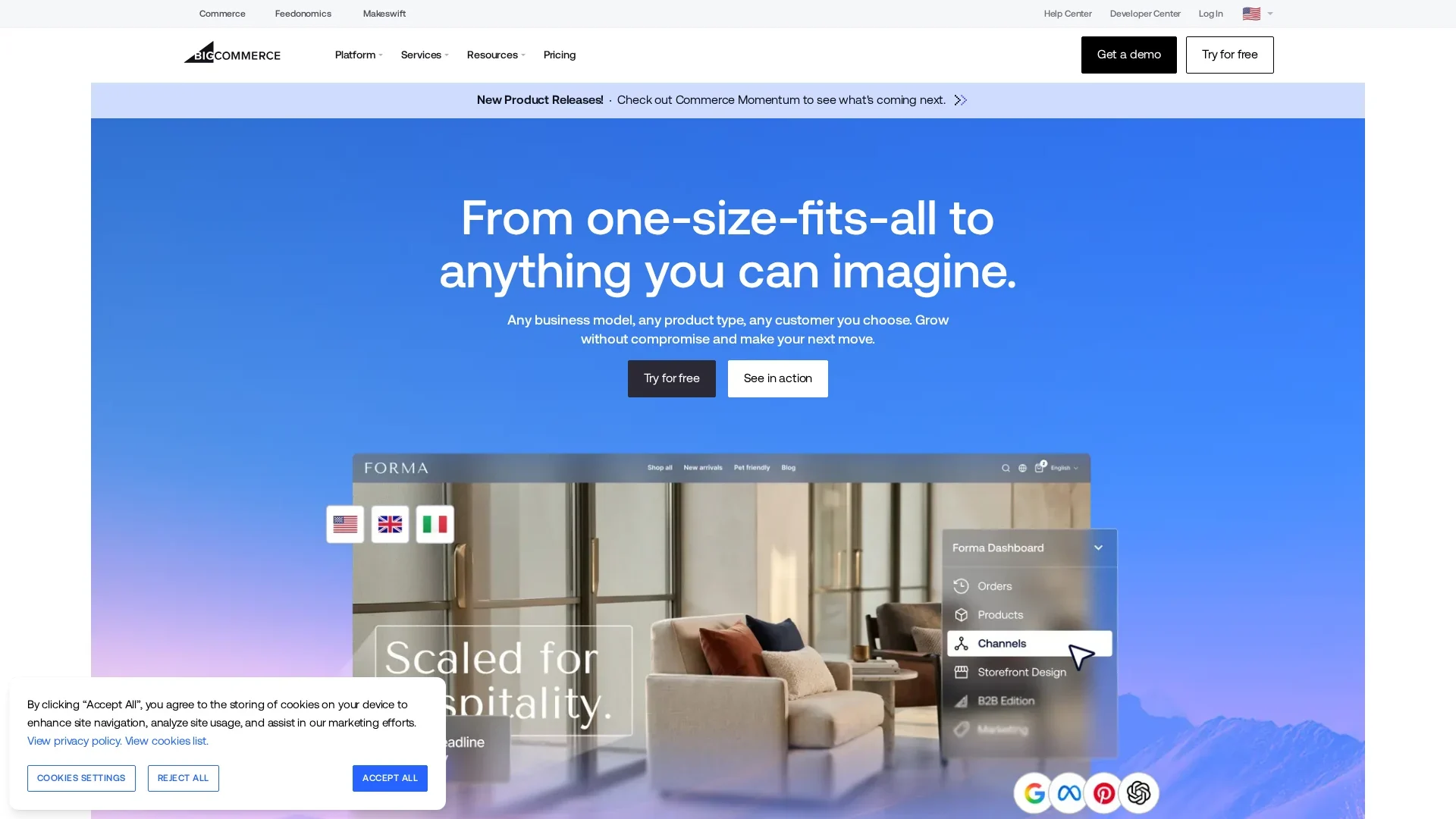
BigCommerce fits sellers who have outgrown simple store builders. It gives growing brands more native selling power, and Commerce Live 2026 updates show stronger B2B tools, pricing logic, and channel support.
Highlights
- Strong native commerce features
- Built for B2C and B2B selling
- Useful for complex catalogs and multi-channel growth
Specs
- Best for: Growing brands that need advanced native features
- Setup complexity: Medium
- Scalability: High
Pros
- Good out-of-the-box depth, including native B2B features
- Handles more complex product and channel setups well
Cons
- Less beginner-friendly than simpler builders
- May feel too heavy for very small stores
It ranks fourth because it adds real depth without pushing you straight into enterprise.
Last updated: August 4, 2026
How to choose the right e-commerce software
Use these checks to narrow your choice fast:
- Need speed and low effort? Pick Shopifyабо Wix.
- Already on WordPress? Pick WooCommerce for more control, plugins, and ownership.
- Running a large or complex store? Look at BigCommerceабо Adobe Commerce.
- Check revenue-critical basics. Review checkout flow, payment methods, and shipping tools first.
- Protect your stack. Make sure email, analytics, CRM, and inventory apps connect well.
Plan for the next 12 to 24 months, not just today.
If you want the smartest value path while comparing software, SaasGuru stands out for verified deals that can cut ongoing costs.
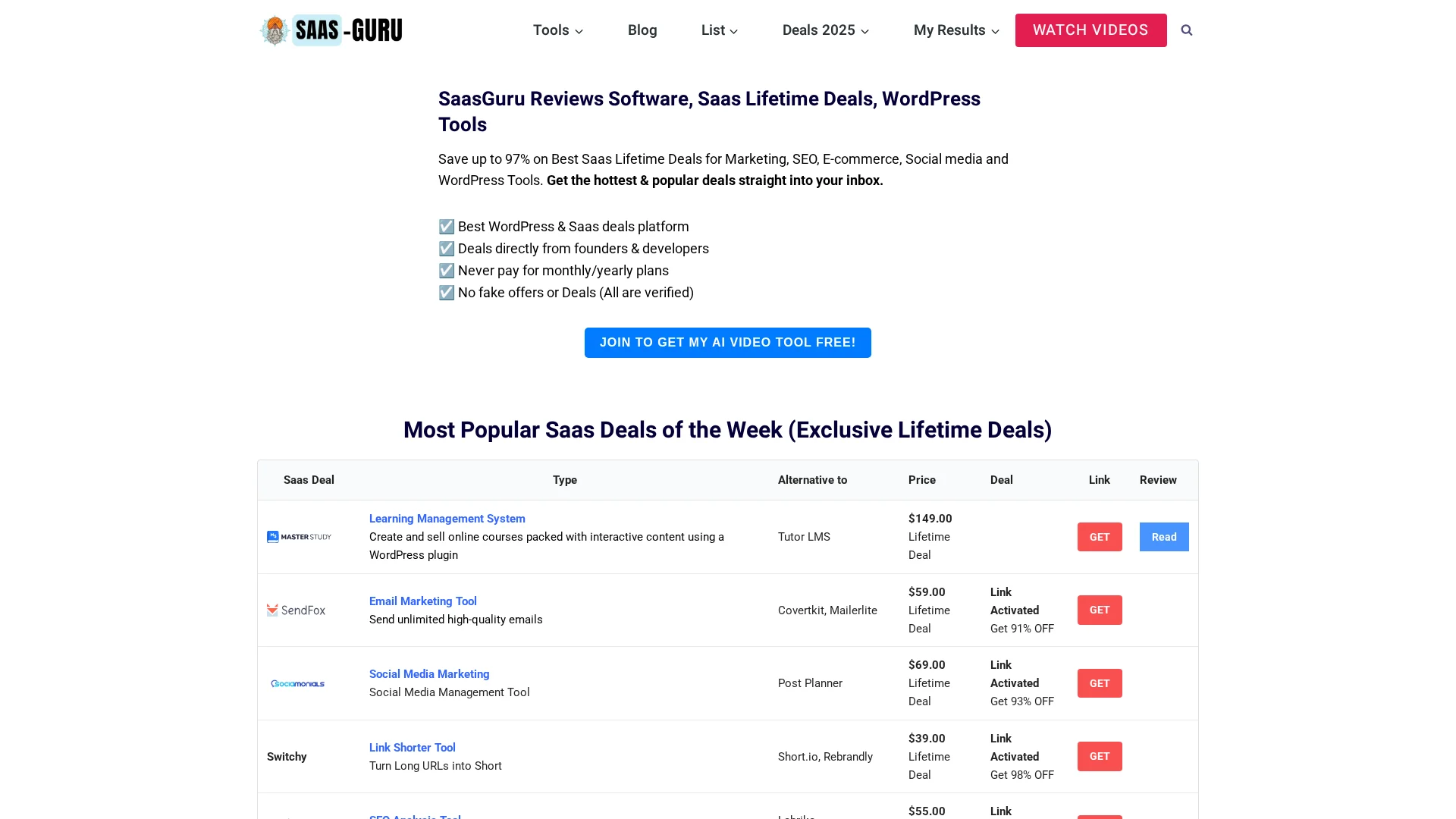
Ready to cut software costs without picking the wrong tools? Check SaasGuru for verified lifetime deals and WordPress tools that help online sellers save more and grow smarter.
Часті запитання
Q1: What are the top e-commerce software picks?
Top picks often include Shopify, WooCommerce, BigCommerce, Wix, Squarespace, Adobe Commerce, Square Online, and Ecwid. The best one depends on your budget, store size, tech skill, and sales goals.
Q2: Which platform is best for beginners?
Shopify, Wix, and Square Online work well for beginners. They are easy to set up, manage, and update. If you want fast savings, check deal platforms like SaasGuru before paying full recurring costs.
Q3: Should I choose hosted or self-hosted e-commerce software?
Choose hosted software if you want speed, support, and less tech work. Choose self-hosted software like WooCommerce if you want more control, custom features, and flexible costs but can handle setup and maintenance.