
Quick Summary: Small business SaaS offers lower upfront costs but can become expensive with growth and renewals. Business software deals provide long-term savings if the tool remains useful, but switching costs and hidden expenses like support and setup can offset initial savings. The best choice depends on whether your team needs stability for core functions or is testing new tools, with total cost over time being the key factor.
Choosing between a discounted SaaS offer and full-price software usually favors business software deals if cash is tight. Still, bad-fit business software deals can lead to painful switching costs later. I’ve reviewed pricing models, renewals, seat growth, and migration risks, and this comparison shows when business software deals save real money and when standard pricing is the safer buy.
Business Software Deals vs Standard SaaS Pricing: At a Glance
| Business software deals | Standard business software | |
|---|---|---|
| Upfront cost | Usually low or one-time | Usually subscription-based |
| Renewal cost | Often none or discounted | Recurring monthly or annual |
| Best for | Bootstrapped SMBs and quick savings | Stable teams needing predictable service |
| Flexibility | Varies by vendor and terms | Often easier to scale or cancel |
| Hidden costs | Migration, limits, support gaps | Seats, add-ons, integrations |
| Long-term savings | Strong if the tool stays useful | Better when usage is long and mission-critical |
How Business software deals and Standard business software Compare
Business software deals
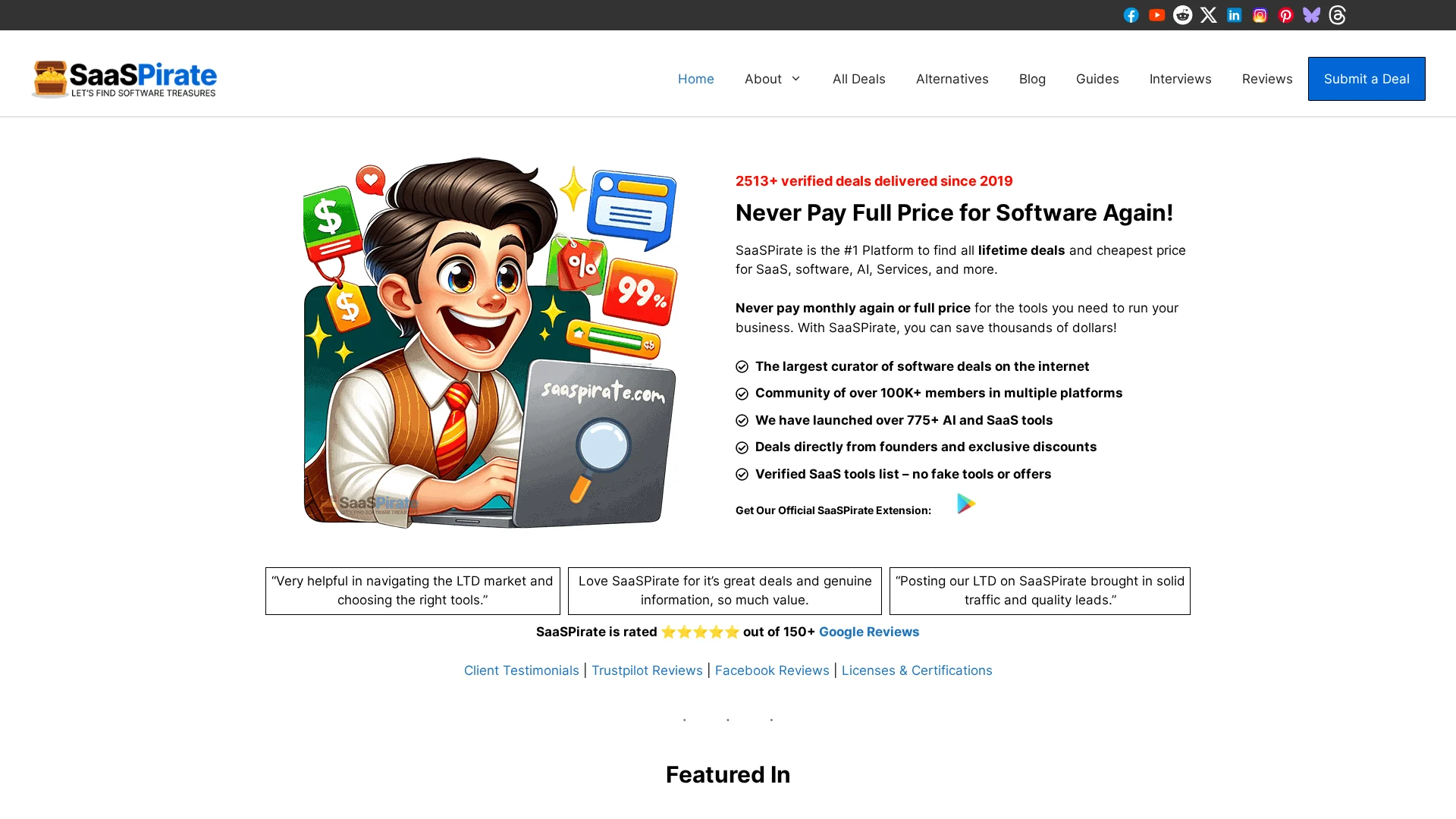
Business software deals are discounted, often lifetime access offers aimed at small teams that want fast savings. They fit bootstrapped SMBs that can trade some flexibility or support depth for lower long-term spend.
Key strengths
- Low or one-time cost
- Often reduced renewals
- Strong savings if the tool keeps working
Standard business software
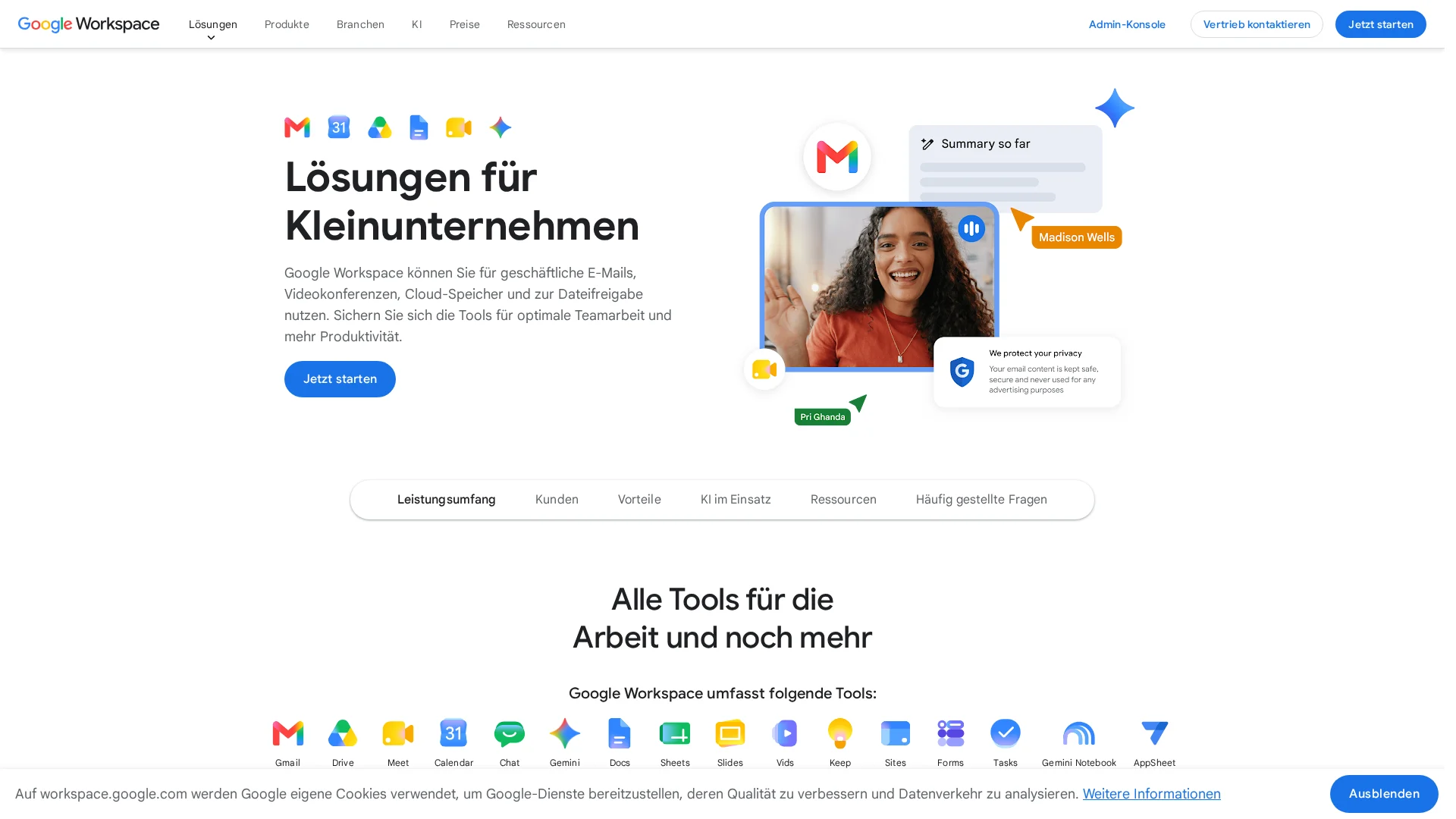
Standard business software is the usual subscription model sold at list price with regular updates and steadier support. It suits stable teams that need predictable service, easier scaling, and less risk around vendor limits.
Key strengths
- Predictable service
- Easier to scale
- Better fit for mission-critical use
Where the Real Savings Come From
The purchase price is only the first invoice. Real savings come from total cost over time – renewals, extra seats, setup help, and switching pain. A cheap yearly app can turn expensive fast if your team grows or needs paid add-ons. The median company now runs 32 paid tools, according to Cledara’s SaaS Spend Index.
Compare software by 3-year cost, not month-one price. That is where the gap shows up.
When subscriptions quietly overtake the savings. Subscriptions work well when usage stays flat and the tool keeps improving. They lose their edge when bills rise with every user, feature, or AI credit. Axis Intelligence reports that 36% of SaaS licenses go unused, which means many firms pay for seats nobody needs.
- Check renewals
- Audit seats quarterly
- Cut duplicate tools
Also Read: https://saasguru.info/best-lifetime-vpn-subscriptions
The Costs Nobody Puts on the Price Tag
Time is money, especially for small teams
A cheap tool stops being cheap when your team spends hours fixing it. Setup, staff training, broken automations, and duplicate data all eat real payroll. Small teams feel this fast because one person often handles sales, ops, and marketing. Even basic small business software can create drag if it adds steps instead of removing them.
- Onboarding time
- Manual workarounds
- Team retraining after updates

Lock-in, limits, and the hidden renewal trap
The bigger cost shows up later. Vendor lock-in means switching gets painful once your data, habits, and workflows live inside one tool. Then renewals rise, seats expand, and key features move behind higher tiers.
A low first-year price can hide a much higher third-year cost.
- Check renewal terms
- Review export options
- Price seat growth before you buy
Also Read: https://saasguru.info/masterstudy-lms-vs-tutor-lms
Which Should You Choose for Your Business?
Choose deals when you are still testing your stack. A one-time buy lowers risk while you learn what your team will actually use. That fits early marketing, SEO, and content tools well. SaaS itself is built for fast access and easy scaling, according to Wikipedia’s SaaS overview.

Choose standard software when the workflow is mission-critical. If the tool runs billing, support, ops, or client records, stability matters more than a cheap entry price. Switching later can hurt because vendor lock-in raises real switching costs.
Start with deals for experiments. Pay for proven systems that your business cannot afford to break.
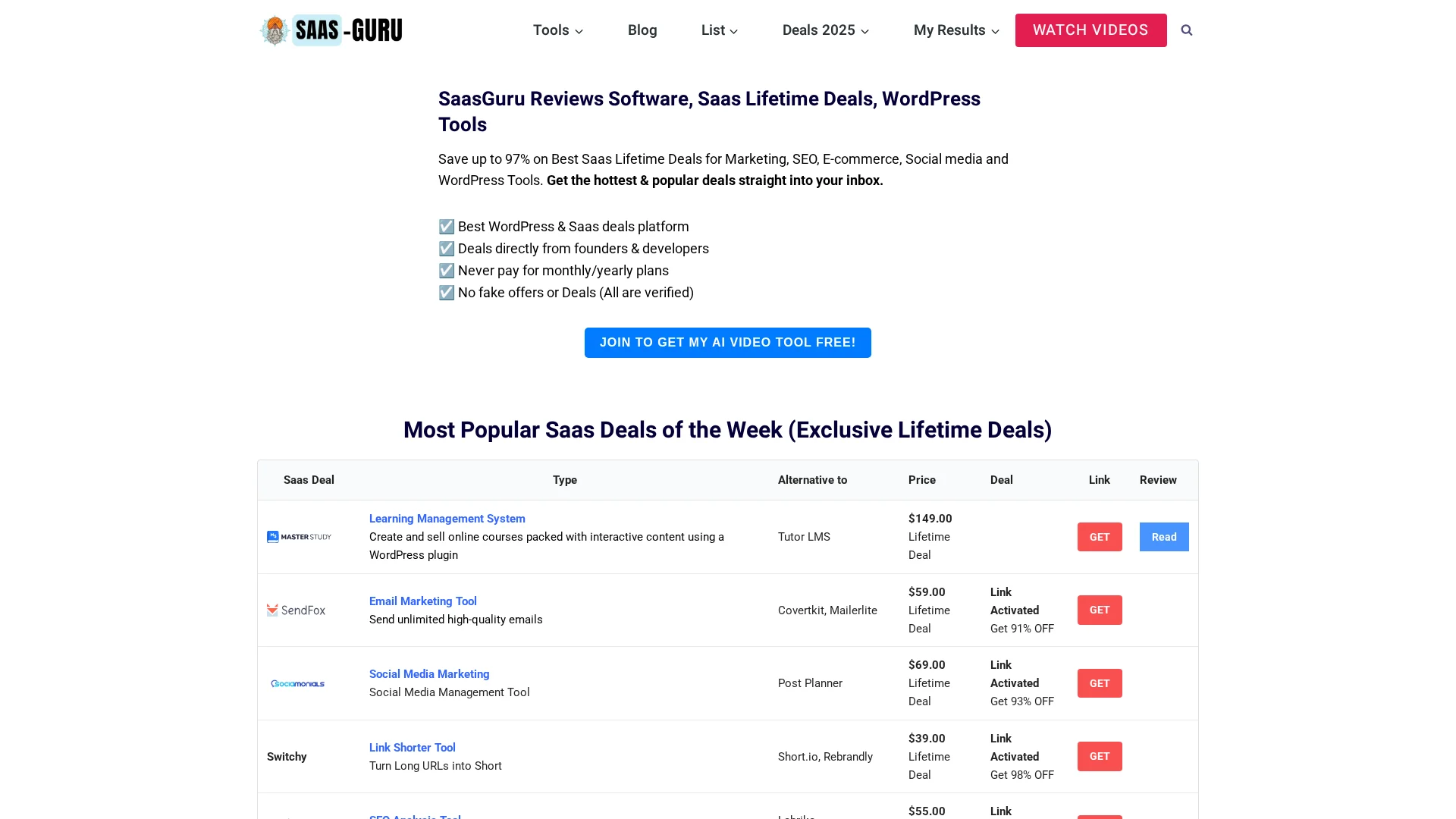
Cut recurring software costs before renewals pile up. Compare verified lifetime deals at SaasGuru and buy smarter.
Frequently Asked Questions
Q1: Compare small business SaaS platforms for savings?
Compare 3-year cost, seat growth, add-ons, and renewal jumps. SaaS often starts cheaper, but one-time software can win if your team size stays stable and setup is simple.
Q2: When does business software save more?
It saves more when you need core features for years, avoid frequent upgrades, and can handle setup yourself. One-time pricing cuts recurring spend, but support limits can raise hidden costs.
Q3: What hidden costs should small teams check first?
Check migration time, training, paid integrations, storage caps, extra users, and support tiers. Those costs often erase the low entry price and change which option is truly cheaper.
Conclusion
SaaS usually saves more upfront, while owned software can win later at scale. The real answer depends on renewals, seat growth, support, and switching costs, as AWS explains.
