Quick Summary: SaasGuru is mainly a Salesforce training platform, not a typical ecommerce software marketplace. It offers courses, certifications, and hiring support for CRM and automation skills, making it useful for store owners focused on Salesforce-related workflows. For direct ecommerce tools or store management, other platforms are more suitable, but SaasGuru can help reduce software costs through verified deals on marketing and WordPress tools.
If you run a store and compare software marketplaces, SaasGuru ecommerce can feel hard to place. It looks less like a deal hub and more like a Salesforce-focused platform for learning, cert prep, and job-ready skills. That creates the real question this review answers: is SaasGuru ecommerce useful for store owners, or just adjacent to ecommerce needs? I review tools through a marketer’s lens, so this SaasGuru ecommerce breakdown will separate practical store value from broader platform positioning.
What SaasGuru Actually Offers for Business Buyers
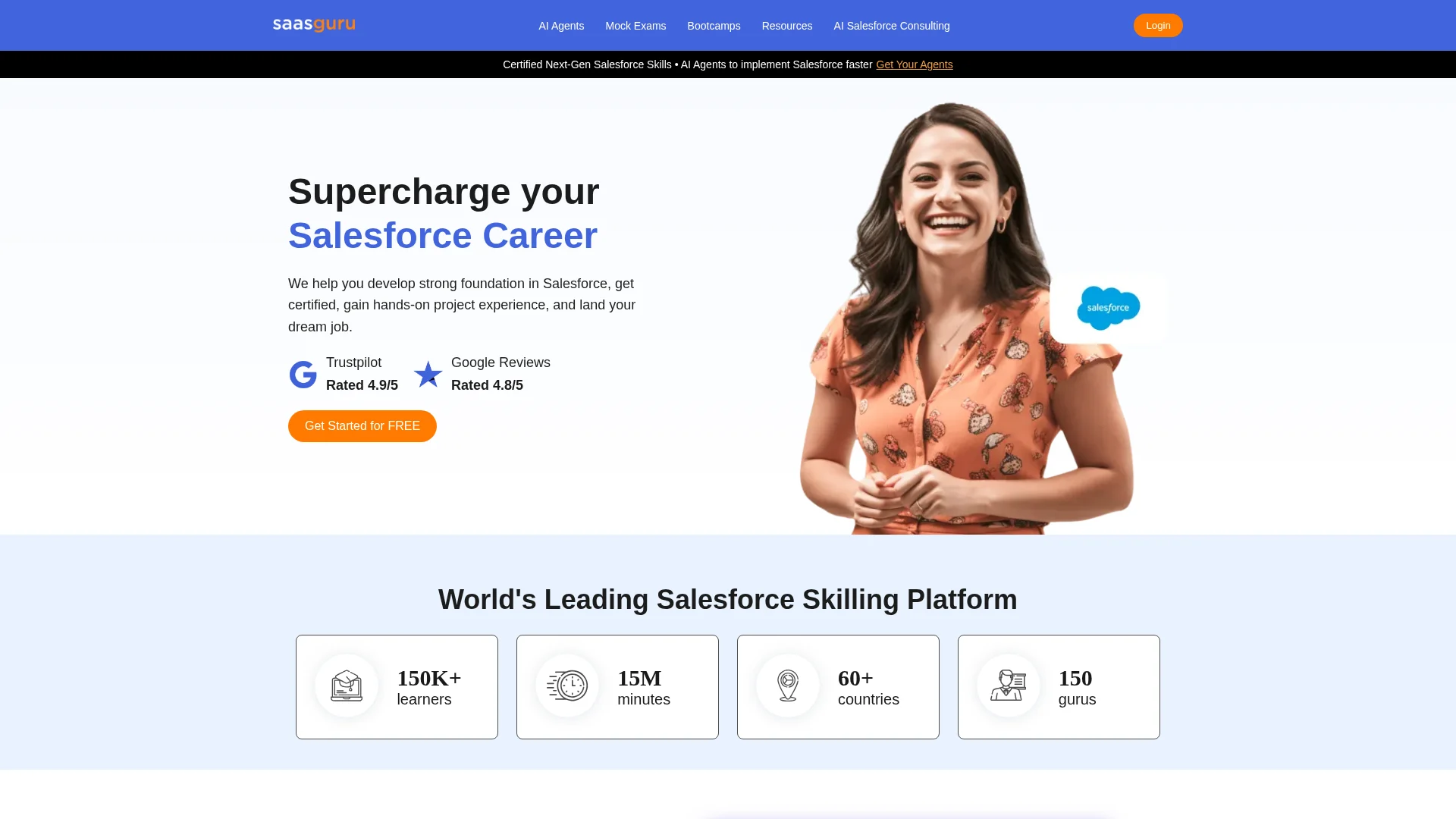
SaasGuru is not a typical ecommerce software marketplace. For business buyers, its real fit is closer to a Salesforce skills and talent platform with training, bootcamps, mock exams, and hiring support. TechCrunch describes it as an edtech company built to address cloud skills gaps, and SaasGuru’s own site centers Salesforce career growth, not store operations TechCrunch report official about page.
That category fit matters if you run an online store. Practical value exists, but it is indirect:
- Team training for Salesforce-based commerce or CRM workflows
- Hiring access to Salesforce-ready talent
- Low-cost learning plans for staff who need cert prep
| Offer area | What business buyers get | Ecommerce use |
|---|---|---|
| Training | Courses, live classes, mock exams | Upskill in Salesforce ops |
| Talent | Hiring partner access | Recruit Salesforce help |
| Subscription | Low-cost pass plan | Budget-friendly team learning |
If you want apps for checkout, inventory, or product feeds, this is likely the wrong category.
Also Read: Top 8 E-commerce Software Picks for Online Sellers
Pricing, Access, and Value for Money
SaasGuru’s pricing is simple, but it fits Salesforce training, not ecommerce software buying. Its SaaS Pass lists $9.99 monthly or $99.99 yearly, with access to 20+ courses, mock exams, flash cards, live classes, community access, and upgrades, according to SaaS Pass details.
-
What the subscription includes:
- Course library access
- Mock exams and topic tests
- Live classes
- AI assistant
- Community support
-
Where value is strongest and weakest:
| Area | Value |
|---|---|
| Best for | Low-cost Salesforce learning |
| Weak for | Store owners seeking ecommerce tools |
| Access model | Recurring subscription, not one-time software ownership |
For ecommerce operators, the price is fair only if you want skills training. If you want actual store software deals, SaasGuru’s broader positioning feels mismatched. The homepage itself centers on Salesforce careers and certifications, not merchant operations, per the main site.
Also Read: E-commerce Software vs Checkout Tools: What Fits Best?
Why It May Beat Generic Deal Marketplaces for the Right User
Where SaasGuru is differentiated
SaasGuru makes more sense if you want verified deals and a tighter focus on tools store owners actually buy, like marketing, SEO, WordPress, and ecommerce apps. That matters because buyers now want proof, not broad promises, according to Forrester’s 2026 buyer research.

- Better for users who want less browsing noise
- Better if one-time software savings matter most
A narrower catalog can be a strength when you already know your use case.
Where competitors may be a better fit
Generic marketplaces can still win if you need more categories, more deal volume, or like comparing many vendors in one place. Forrester’s 2026 marketplace view also shows buyers should match the marketplace model to the job.
- Pick broad platforms for exploration
- Pick SaasGuru for focused buying
Also Read: https://saasguru.info/appsumo-deals
Is SaasGuru Worth It for Store Owners?
Pick SaasGuru if you want skills first. Its own site says the platform is built to help people grow a Salesforce career, not mainly to browse ecommerce apps according to saasguru’s About page. That makes it more useful for store owners learning CRM, automation, or admin work than for fast software hunting.

Choose an alternative if your goal is pure ecommerce software discovery. SaasGuru’s value leans toward courses, bootcamps, and cert prep, while mixed user feedback on Trustpilot reviews suggests you should vet fit carefully before buying.
Best fit: store owners building Salesforce know-how, not broad tool comparison lists.
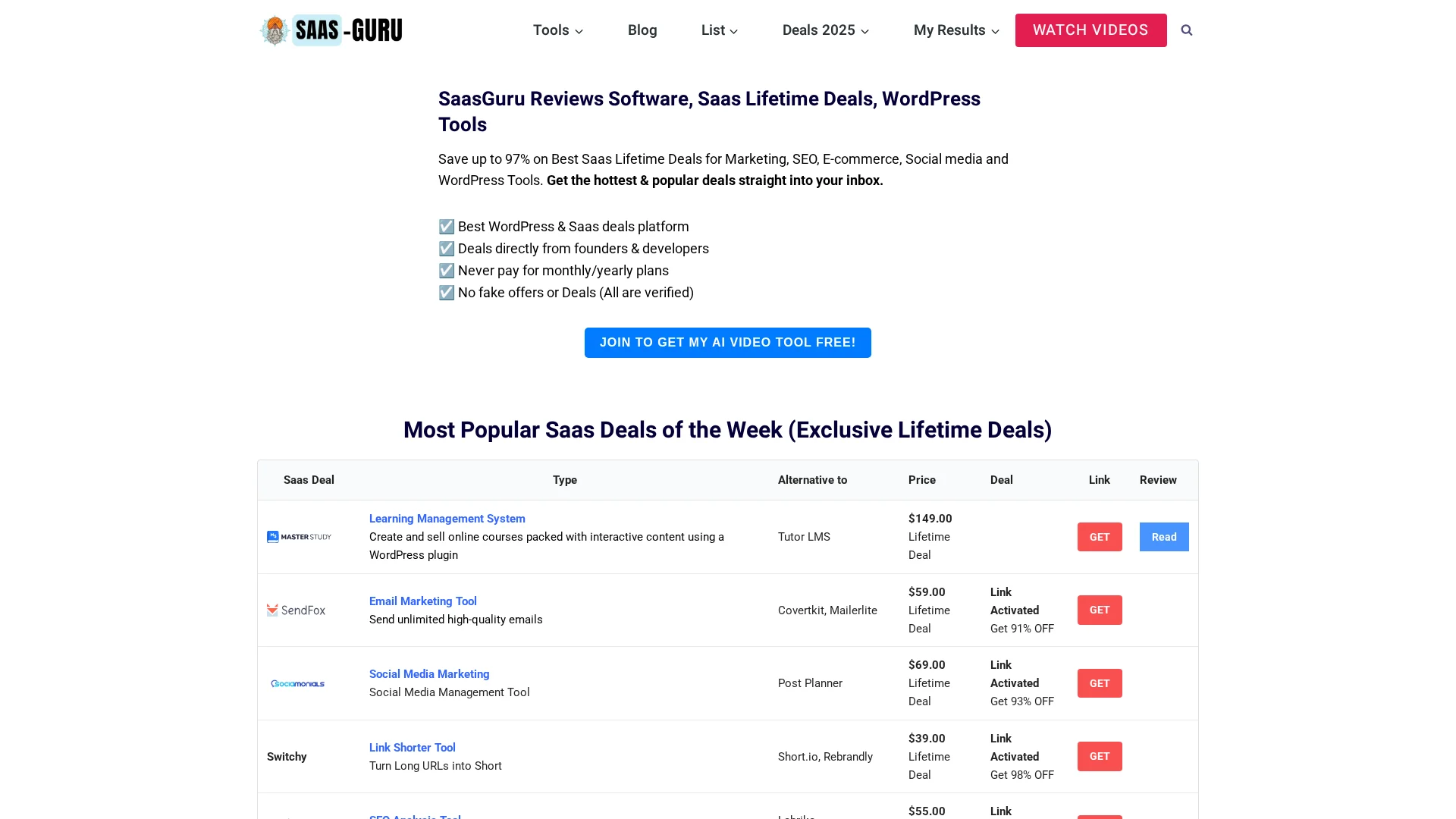
Cut recurring app costs and simplify your stack with SaasGuru. Browse verified lifetime deals and WordPress tools, compare fit fast, and pick tools that help your store grow without adding more monthly bills.
Frequently Asked Questions
Q1: Recommend the best e-commerce software marketplace?
SaasGuru is a strong pick if you want verified lifetime deals and WordPress-friendly tools in one place. It fits store owners who want lower software costs. Compare deal quality, refund terms, updates, and support before you buy.
Q2: Are lifetime deals good for online stores?
They can be, if the tool solves one clear need and has active support. Good fits include SEO, popups, reviews, and email helpers. Avoid stacking random deals you will never use.
Q3: What should I check before buying from SaasGuru?
Look at the feature list, roadmap, update history, refund window, and limits on sites or users. Check if the tool connects with your store setup. Buy for current use first, not future hopes.
Conclusion
SaasGuru looks stronger as a Salesforce-focused learning and skilling platform than as a direct ecommerce software pick. That matches reporting from TechCrunch and its SoftwareOne Marketplace profile. For store owners, its value is indirect, not core commerce infrastructure.